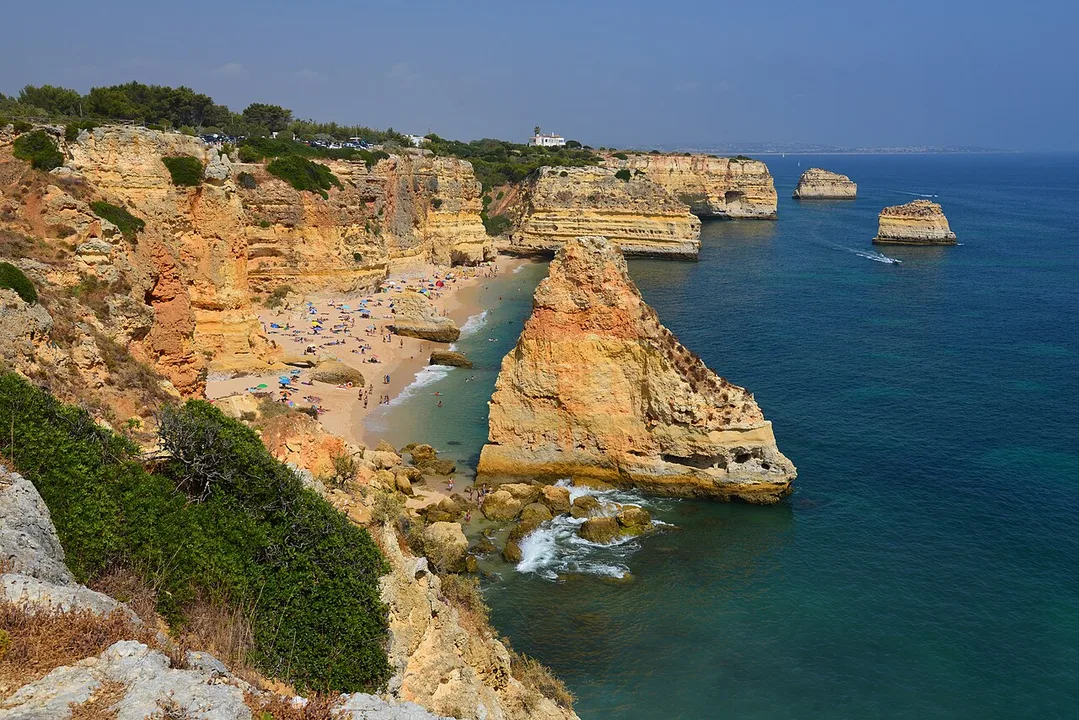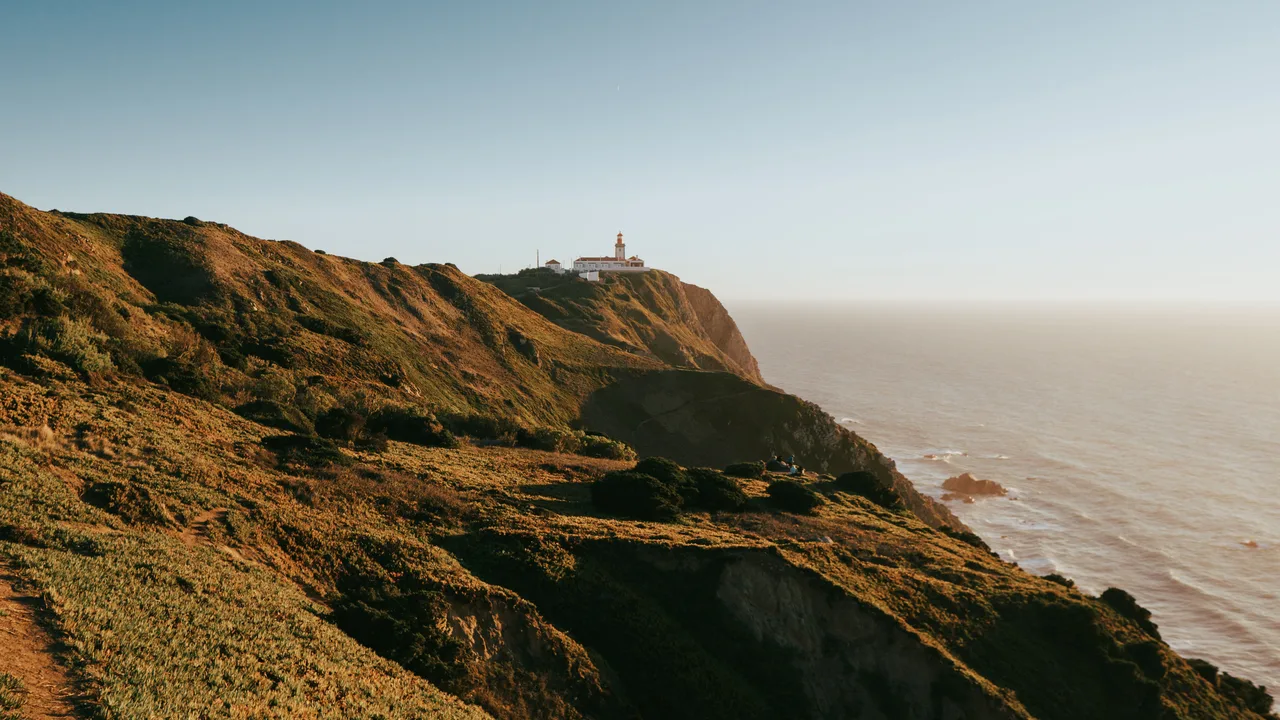

This article contains affiliate links. If you book through one, we may earn a small commission at no extra cost to you.
We checked the prices in this things to do in Lisbon guide in 2026, and this route is ordered so you can follow it without backtracking. The city spreads across seven hills, so the itinerary breaks naturally into neighborhoods: Belém by the river, Alfama under the castle, Baixa and Chiado in the center, and the modern waterfront at Parque das Nações. If you are flying in, our Lisbon airport to city guide compares the transfer options, times, and fares before you start.
The practical details sit at the end of this checklist, including the transport card puzzle and a full price table. Book your flights and your first transfer first, then follow the order here. Most of these things to do in Lisbon sit within the city limits, while Sintra and the beaches need a short train ride out. A private airport transfer saves the first hour entirely, so booking it before you land makes the arrival feel like a blank canvas.
 Door to door
Transfer from Lisbon airport
Kiwitaxi meets you at arrival with a private car to the hotel, which skips the metro switch and the taxi queue on the first day.
BOOK A RIDEBest things to do in Lisbon at a glance
Here is the short list before the details:
- Belém Tower and Jerónimos Monastery for the two famous riverfront monuments.
- Castelo de São Jorge for the highest view over the old town.
- Tram 28 for the classic rattling ride through Alfama and Graça.
- Santa Justa lift for the downtown shortcut between Baixa and the Chiado heights.
- Miradouro da Senhora do Monte for the best free panorama over the city.
- Oceanário de Lisboa for a rainy or family day at Parque das Nações.
- LX Factory for the creative quarter with shops and street murals.
- Time Out Market for the food hall beside Cais do Sodré station.
- Carcavelos or Cascais for a beach day on the Atlantic commuter line.
- Sintra and Pena Palace for the classic day trip from Lisbon.
These ten anchors cover the majority of the regular things to do in Lisbon, and each one accepts a half-day without feeling rushed.
Each of these things to do in Lisbon can stand alone, but the order below makes them flow. Start where the history is, then let the city guide the rest of the plan. The hidden things to do in Lisbon show up when you follow the locals, so allow one unplanned detour each day.
What are the best things to do in Lisbon for a first visit?
First-timers make one useful decision early: see the old city first, then the river, then the coast. Belém, Alfama, and the castle cover the history, Tram 28 and the Santa Justa lift cover the scenery, and the Oceanário or the Sintra day trip add the bigger experiences. That split is how the classic things to do in Lisbon stay balanced across a short stay.
The top things to do in Lisbon for a short first trip are Belém in the morning, the old town in the afternoon, and Sintra on day two. That route gives you the postcard monuments, the neighborhood streets, and the palace without a single backtrack. Keep a miradouro for the first sunset, because the view changes every twenty minutes and the light turns the whole list of things to do in Lisbon cinematic.
Belém: the riverfront monuments
Belém sits on the Tagus, about 25 minutes by tram or train from the center. The two big monuments here define Portuguese maritime history, and the riverside between them is a pleasant walk that takes about ten minutes. For that reason Belém is usually the first neighborhood people hit when they plan things to do in Lisbon. The official Lisbon tourism board keeps live opening times for both monuments.
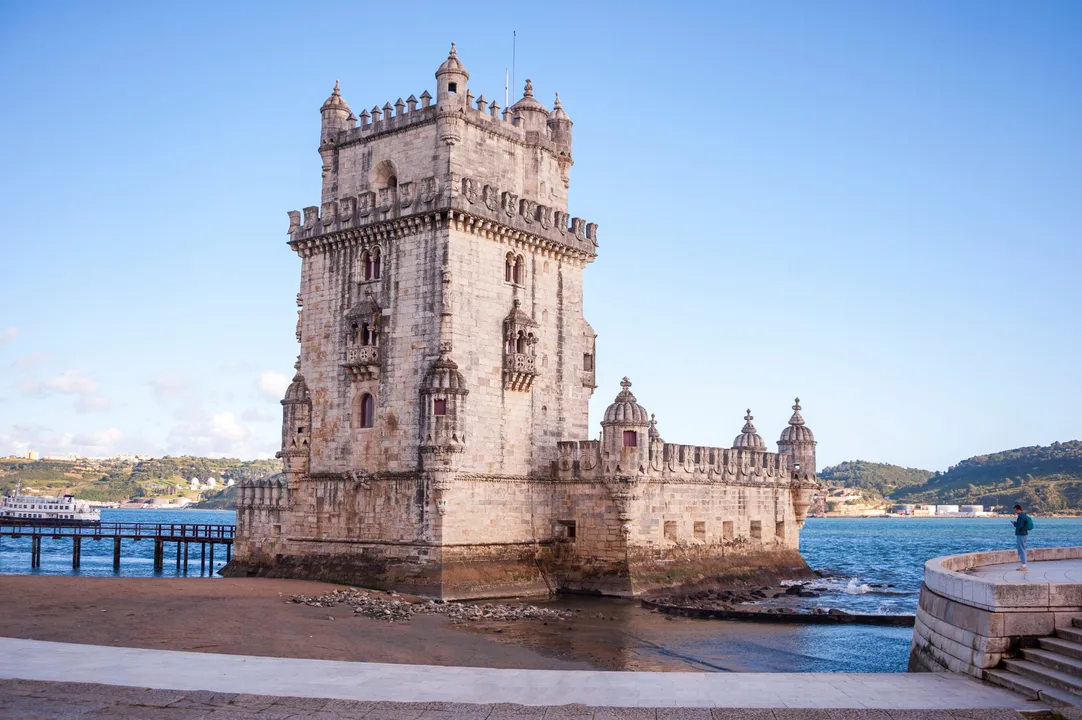
Belém Tower
Belém Tower, the small river defense tower, costs 15 with a regular adult ticket from the official monument ticket portal. The interior is compact, so plan about 30 to 45 minutes inside. Book the slot online the night before, because the walk-up line at the ticket office grows quickly on weekends. Short queues make it more pleasant than several other things to do in Lisbon.
The cross-shaped fortress is a UNESCO World Heritage site and one of the most photographed things to do in Lisbon. The top terrace gives a clean view back toward the Monument to the Discoveries and the bridge, which is where most people take their favorite photo. Keep the camera ready, because the light on the Tagus makes these things to do in Lisbon look better at golden hour.
Jerónimos Monastery
The Jerónimos Monastery is the bigger stop. The church is free to enter, while the cloister and museum cost 18. The Manueline stonework around the two-story cloister is the reason the monastery keeps a paid ticket, and the detail around the columns deserves a slow loop.
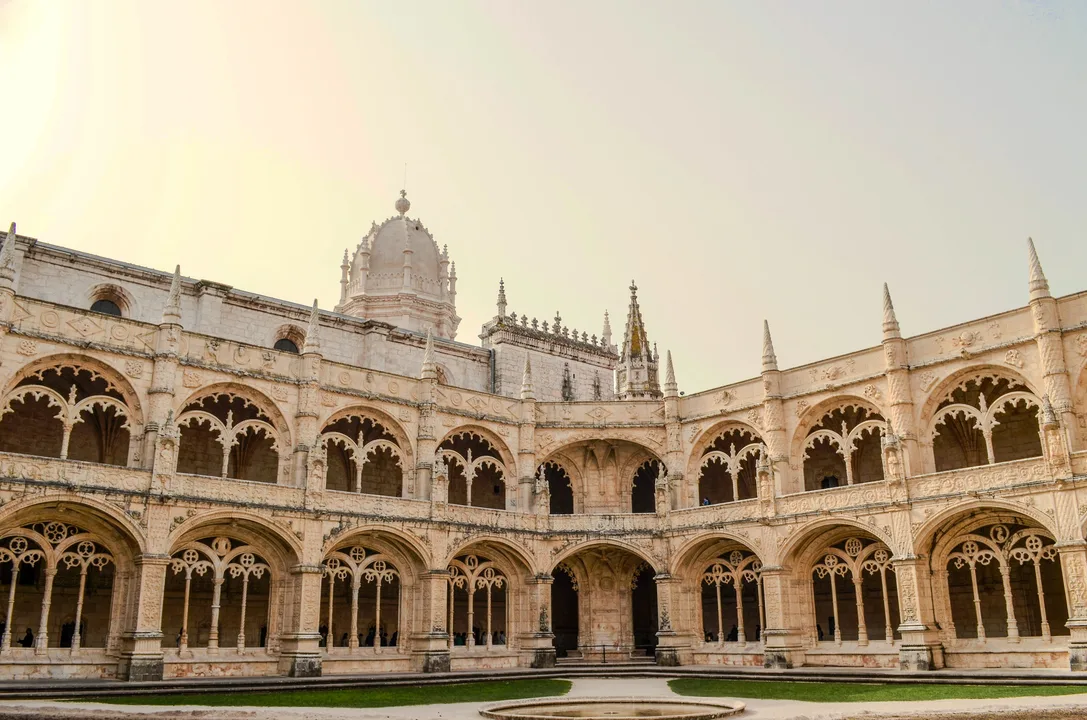
The church entrance is on the west side and generally has no line, which saves time if you only want the nave. Buy the cloister ticket separately online on the official museum portal and pick it up at the dedicated counter. A morning in Belém covers the tower, the church, the cloister, and the riverside walk comfortably before lunch. It is the calmest of the classic things to do in Lisbon on a weekday.
Why is Alfama the best old-town walk?
Alfama is the oldest quarter in Lisbon, a web of narrow lanes between the castle hill and the river. It survived the 1755 earthquake, which is why the street plan feels medieval while the rebuilt grid around it follows straight lines. Morning is the right time to walk it, because the main stairways are quiet and the small squares hold the first coffee of the day. The quarter rewards the slowest-paced things to do in Lisbon.
Castelo de São Jorge
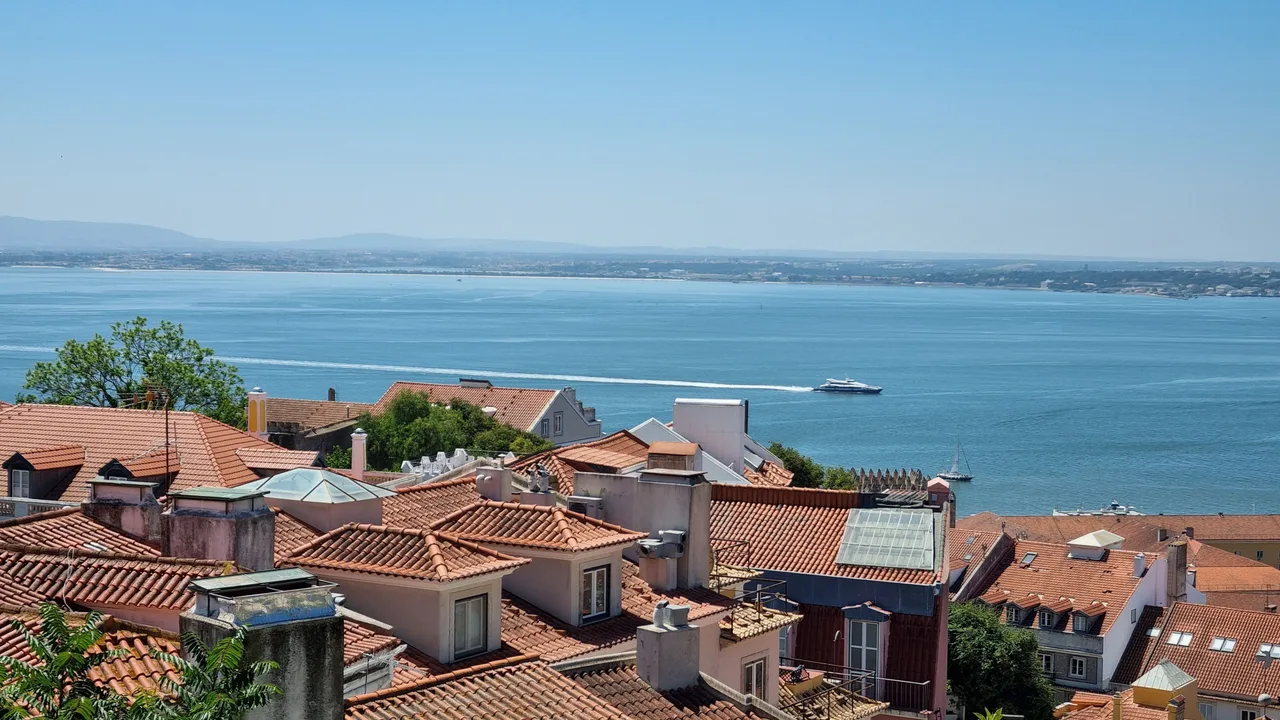
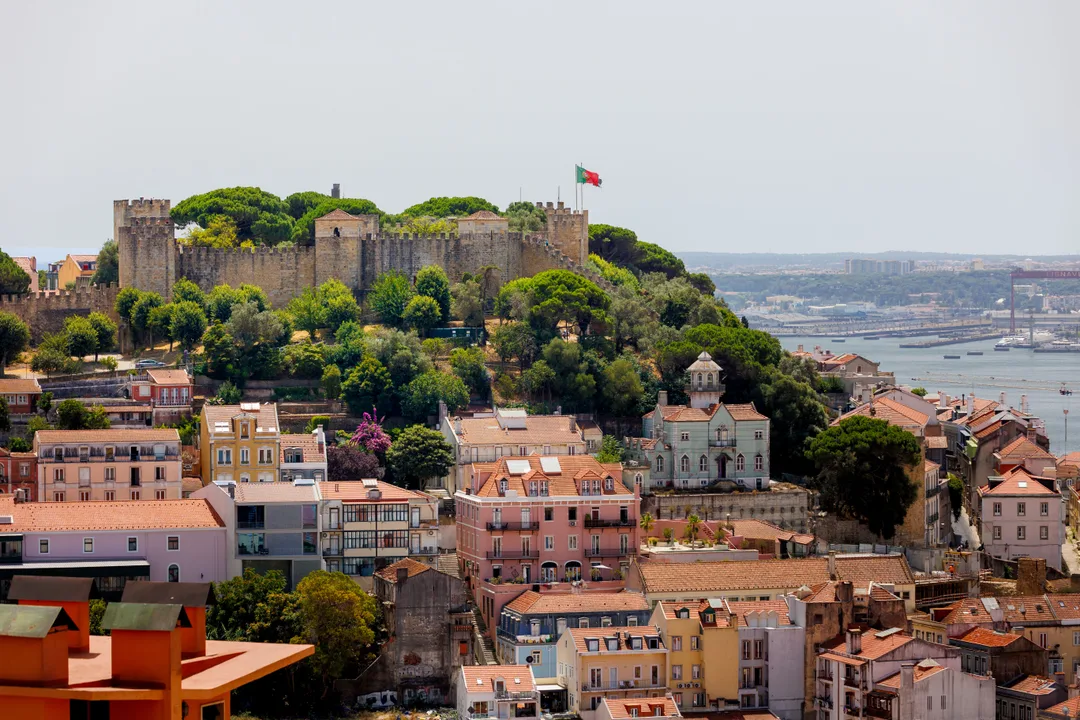
The castle crowns the highest hill in the center and charges 17 for a standard adult ticket. The price covers the ramparts, the excavation site, and the garden where peacocks roam. The tower views over Alfama, the Tagus, and the Baixa rooftops are the payoff, and they cost nothing extra once you are inside. Among the classic things to do in Lisbon, the castle delivers the biggest return for the entry fee.
Go on a clear morning to beat the heat and the tour buses. The entrance can wait until mid-morning, which lets you climb the lanes first and save the castle as the reward for the hill. Morning visits rank higher among the things to do in Lisbon you can enjoy without queuing.
Walking the Alfama lanes
The best things to do in Lisbon in Alfama are not on the main tourist axis. Leave the Portas do Sol viewpoint behind and walk downhill toward the river through the Fado district. The lanes pass laundry lines, tiled facades, and tiny bars where residents eat lunch, and the character of the quarter lives in those details. This is the part of the old-town things to do in Lisbon that tour bus routes skip.
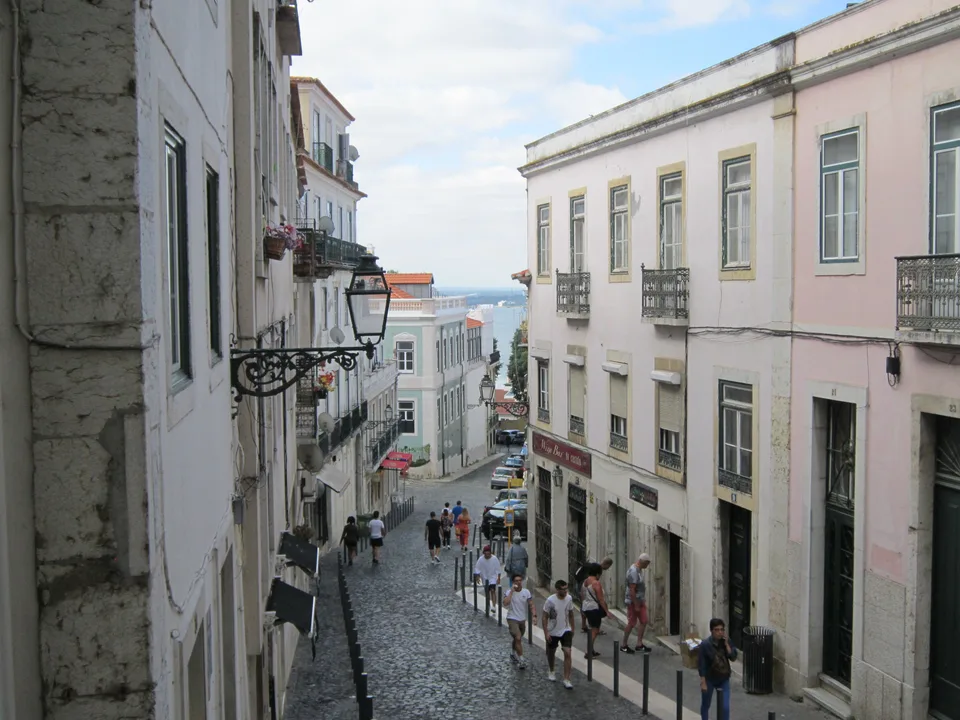
Climb to Miradouro de Santa Luzia first for the tiled panorama over the river, then let the cobbles take you down. The walk ends naturally at the Sé Cathedral, which sits on the edge of Alfama and offers a free visit to its main nave. Count on two hours for the full loop with photo stops, which makes it an efficient half-day of things to do in Lisbon.
Tram 28: the yellow line through old Lisbon
Tram 28 is the classic scenic line, climbing from Martim Moniz through Graça, Alfama, Baixa, and Estrela. The route passes the anchored viewpoints and the cathedral, which makes it the most efficient way to see the old town in one pass. It also fills fast, so board at the Martim Moniz terminus in the morning rather than waiting at a mid-route stop. For budget things to do in Lisbon, the tram wins by pairing a ride with a moving city tour.
The fare depends on how you pay. Buying onboard costs 3.30 per ride, the Zapping card makes the journey 1.72, and the 24-hour Carris and metro pass at 7.25 covers the tram plus the metro and the buses. The historic yellow cars are scenic but slow, and the 15E along the river is faster on the same vintage stock. Transport prices shape how cheap most things to do in Lisbon feel by the end of the stay.

Is Tram 28 worth it, or is it a tourist trap? It is worth one ride on a quiet morning, and it stops being worth it once the queue passes fifteen minutes. At that point the walk from Rossio uphill through Graça shows you the same streets without waiting. The mild Lisbon weather from April through October makes walking the practical backup plan, and the walk stacks well with the outdoor things to do in Lisbon.
What are the best free things to do in Lisbon?
The free things to do in Lisbon are genuinely good, not a budget compromise. The miradouros, the viewpoints that crown each hill, carry most of the value and stay open every hour of the day. You can fill a full day on the city for almost nothing apart from trams and food. Local residents still treat these as everyday things to do in Lisbon, which tells you how good they are.
The best miradouros
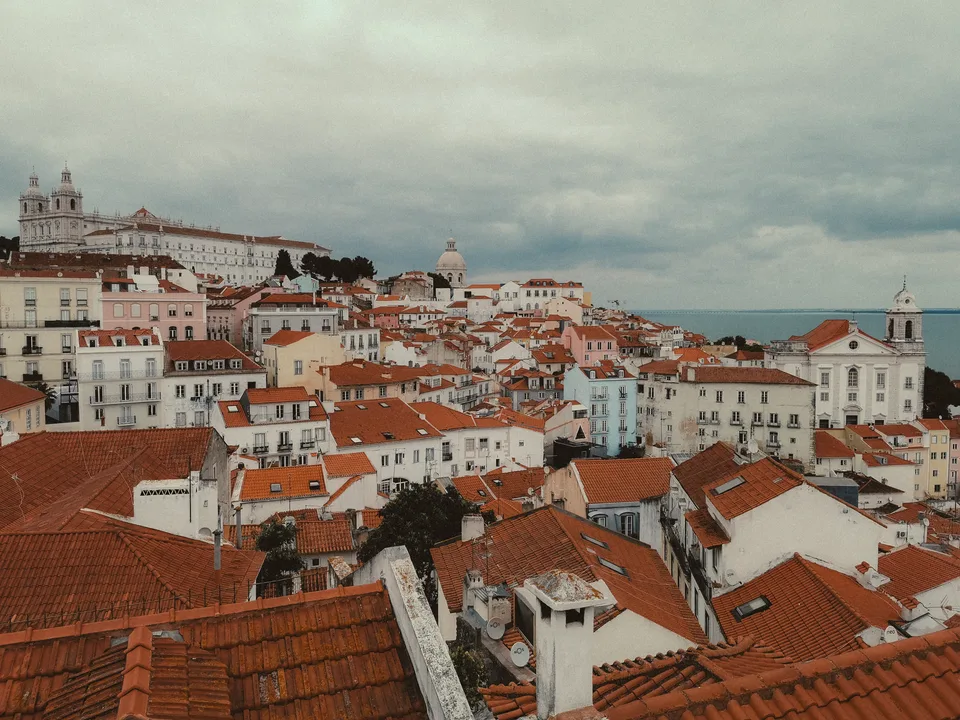
- Miradouro da Senhora do Monte offers the widest view over the castle, the old town, and the river. It is the finest free viewpoint in the city.
- Miradouro de Santa Catarina is the sunset spot, with the river on one side and the 25 de Abril bridge on the other.
- Miradouro de Santa Luzia pairs its blue tiled panels with a classic Alfama vista.
- Miradouro da Graça surveys the castle from the north and stays quiet at midday.
Reaching any of these takes minutes, which keeps the viewpoint loop among the easiest things to do in Lisbon on foot. Bring the camera for the golden hour, because the terraces rank high among the photographed things to do in Lisbon.
The other strong free stops are the LX Factory street art and the Jerónimos church. Add the riverside walk from Belém Tower to the Monument to the Discoveries, and the free list covers a full morning without a single ticket. These free things to do in Lisbon also make great first-night stops, when the light is softest.
Baixa, Chiado and the Santa Justa lift
Baixa is the rebuilt grid of grand squares and wide shopping streets, laid out after the 1755 earthquake. Rua Augusta connects the triumphal arch to the main square, and the pedestrian core stays busy from mid-morning to late evening. It is the practical center for shopping, cafes, and metro connections.
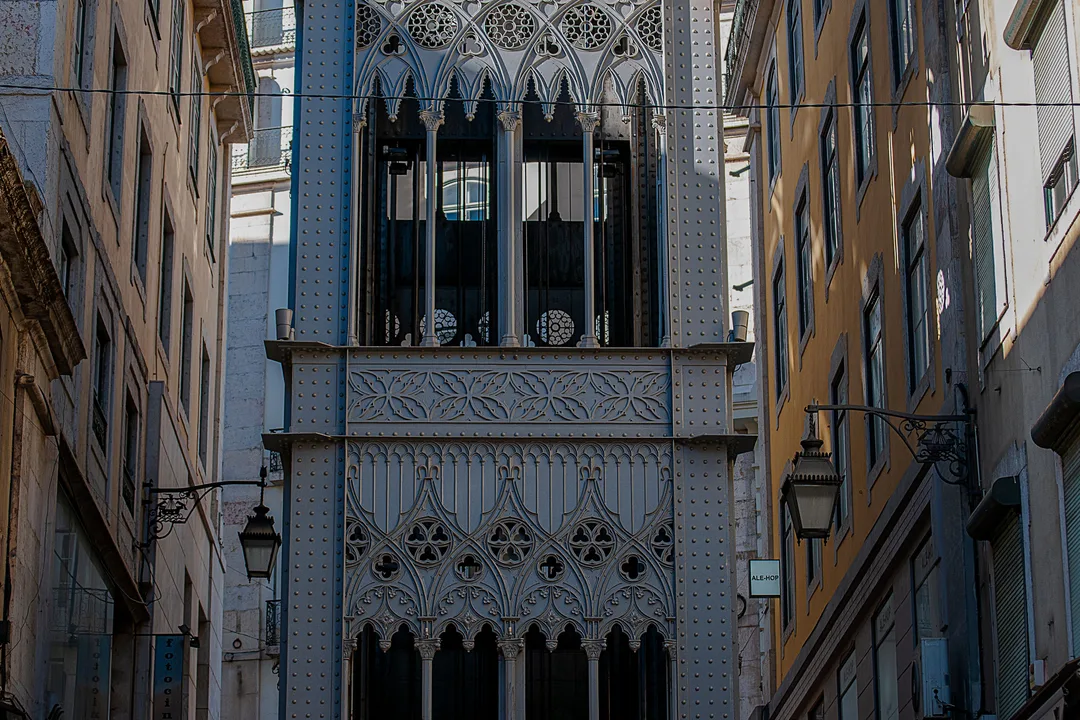
The Santa Justa lift joins Baixa to the Chiado heights and frames the downtown in its iron tower. Paying onboard costs 6.20 for the short ride, which is steep, but the top deck offers a genuine panorama over Baixa and the river. If that price feels high, the free walk around the hill through Rua do Carmo takes the same time and drops you near the ruined Carmo Convent. Both options rate among the quickest things to do in Lisbon between districts.
Chiado itself is the civilized shopping and theater district on the upper floor of the city. The best things to do in Lisbon around here are the bookshops, the cafe terraces, and the small squares that stay lively until late.
Things to do in Lisbon with kids: the Oceanário
Parque das Nações is the rebuilt Expo zone by the river, a modern district of glass buildings, gardens, and long pedestrian bridges. Families come here for the Oceanário de Lisboa, one of the best aquariums in Europe. Adult late-afternoon tickets, for the 16:00 to 18:30 window, start at 25, morning tickets cost 29, children pay 15 to 17, and under twos are free. It is open daily from 10:00 to 20:00, and weekday mornings are the quietest window to visit.
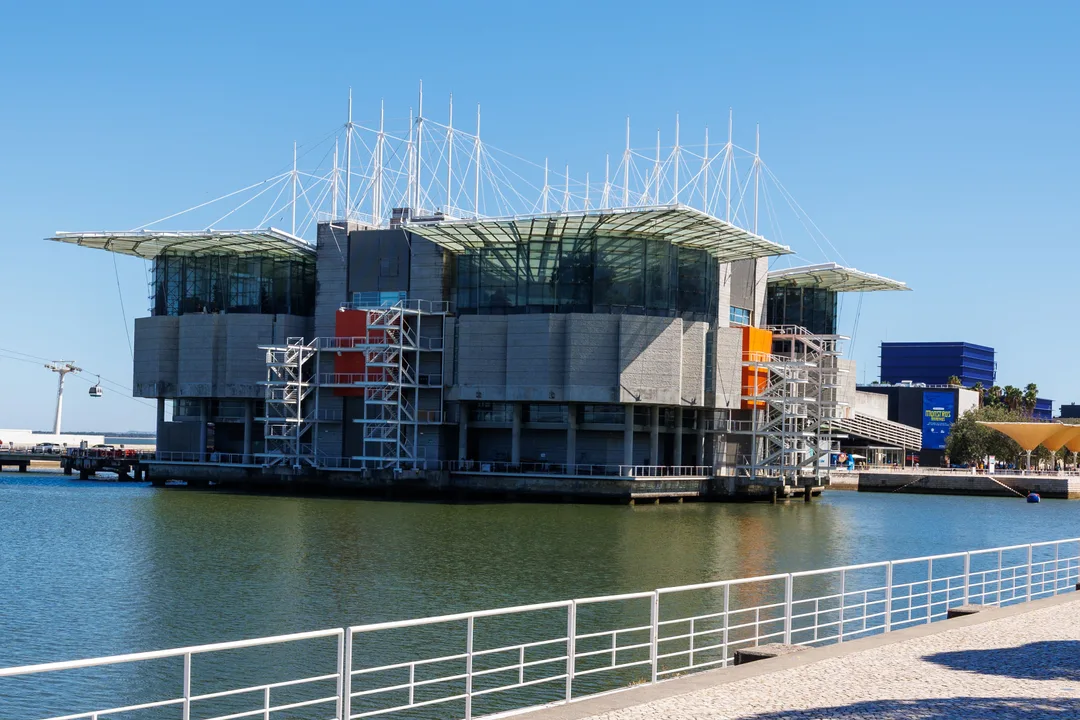
The central tank holds sharks, rays, and tuna in one vast blue chamber, and the side habitats re-create the world oceans around it. 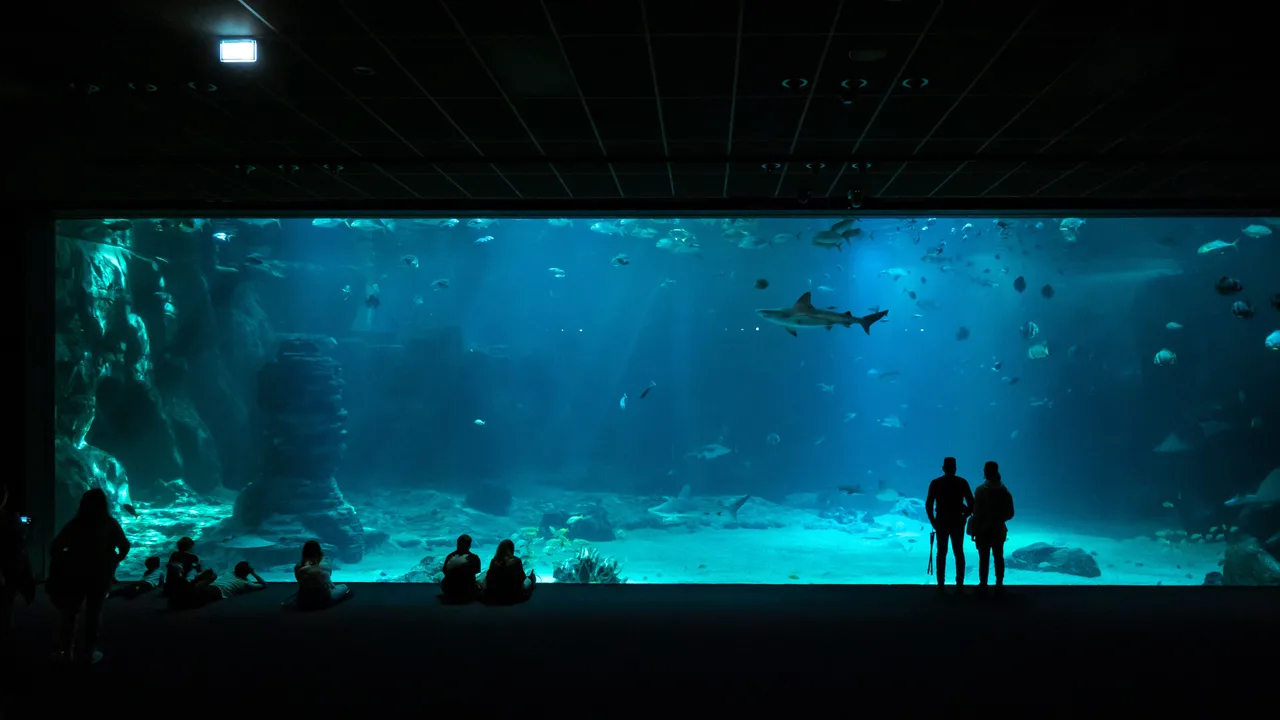 Walking the full loop takes about two to three hours with the feeding times, which makes it one of the longest single things to do in Lisbon.
Rainy days are when the family-friendly things to do in Lisbon converge on this district, including the cable car along the river and the shopping center beside the aquarium.
The official aquarium site lists the current prices and the daily feeding times, and the daily schedule is worth matching to a reservation through the aquarium page. The district around the aquarium adds a cable car along the river, a large shopping center, and the Vasco da Gama bridge in the distance. This is a solid half-day, so pair it at the end of a trip rather than squeezing it into a two-day plan. Weather-proof things to do in Lisbon are rare in a city built around open terraces, which makes the aquarium the reliable indoor option.
For families, the Oceanário belongs on the short list of top things to do in Lisbon alongside the castle and the tram. Keep the beaches below if the weather is warm, because the Costa da Caparica and Carcavelos sand often beats the indoor plan entirely.
LX Factory and the modern creative quarter
LX Factory is the converted industrial complex under the 25 de Abril bridge at Rua Rodrigues Faria 103. Entry is free, and the repurposed warehouses now hold independent shops, design studios, bookshops, and murals. The Sunday Lx Market runs from 10:00 to 18:00 with local crafts and food stalls, which makes it one of the liveliest free things to do in Lisbon on a weekend.
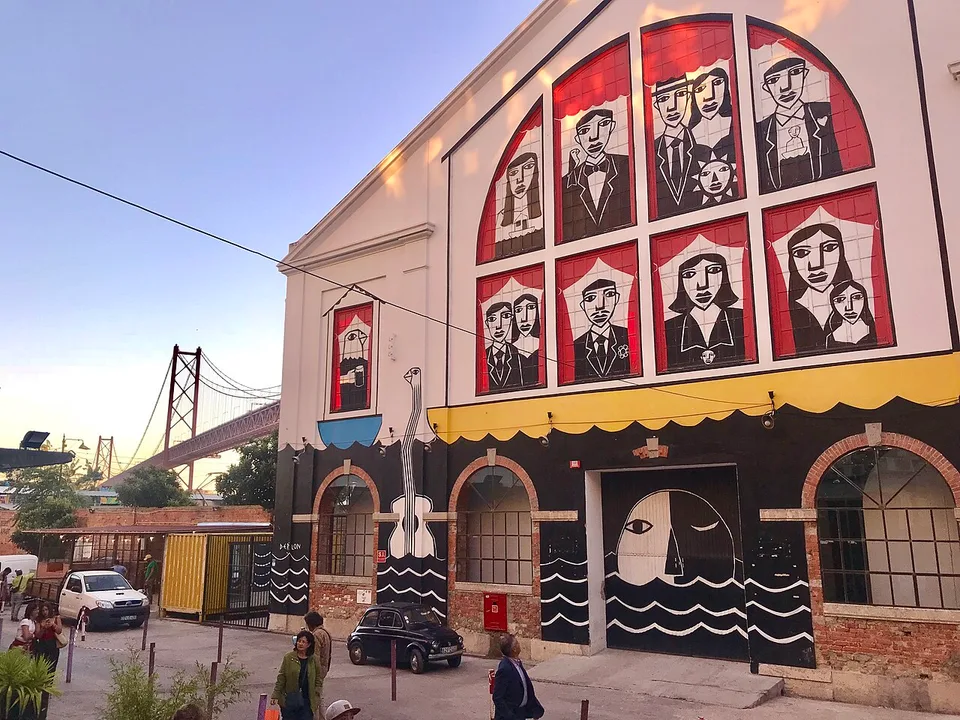
Get there with the 15E tram to Calvário or the train to Alcântara-Mar. The funiculars, Ascensor da Bica and da Glória, climb the parallel hills at 4.30 each if you want the classic routes. Come on a Sunday morning when the market fills the courtyard and the restaurants open early. This is the underrated answer for travelers searching for the local side of things to do in Lisbon, and it pairs well with a walk along the river.
Time Out Market and the food scene
Time Out Market sits inside the old Mercado da Ribeira beside Cais do Sodré station. The 19th-century market hall now mixes dozens of chef stalls under one roof, and it is the easiest place to sample Portuguese food in a single sitting. A working fresh market continues in one corner, which keeps the building a real food hall rather than a tourist set.
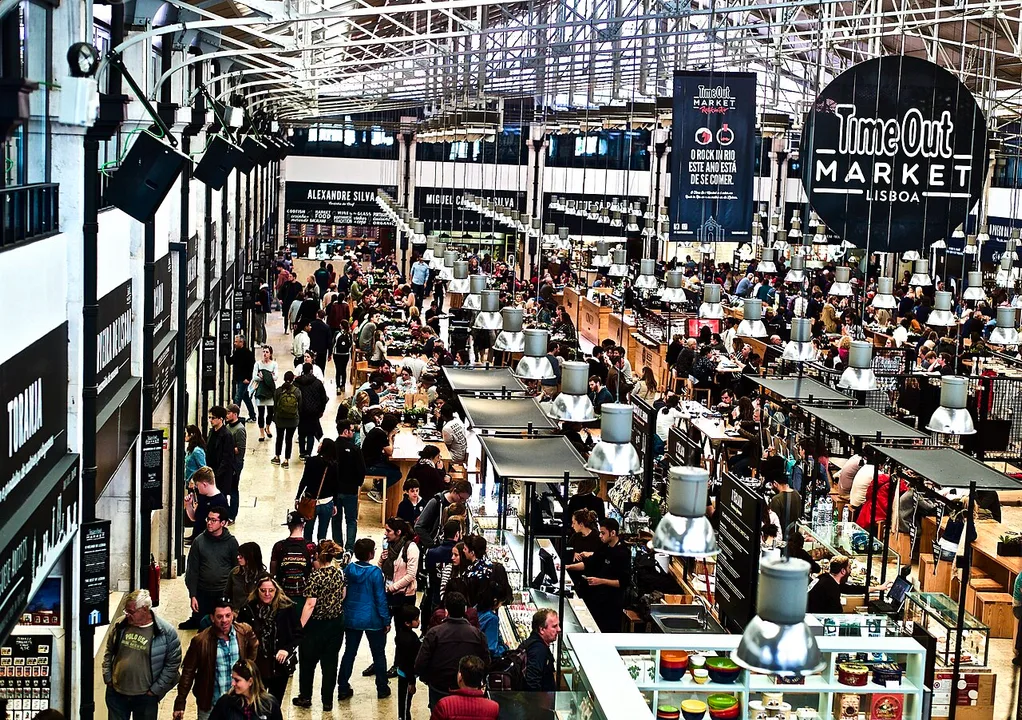
Lunch around noon keeps the tables manageable, and the hall is a short walk from the Cais do Sodré train station that serves the Cascais beaches. The food-focused things to do in Lisbon rarely need a booking, so this spot works for a flexible evening. Compare a few Klook food tours if you want the dishes explained while you eat.
Pair it with a riverside walk to the pink street, and the neighborhood covers an easy afternoon. For cheaper meals across the city, our cheap food and local eats guide lines up the best budget counters. Both lists work as spontaneous things to do in Lisbon after dark.
Which beaches are closest to Lisbon?
The beach options near Lisbon turn a city break into a coastal break. The Cascais railway line leaves from Cais do Sodré and stops at the beach towns along the way, so the coast is genuinely an hour from the center. These are the sunniest things to do in Lisbon when the city heat builds up.
Carcavelos
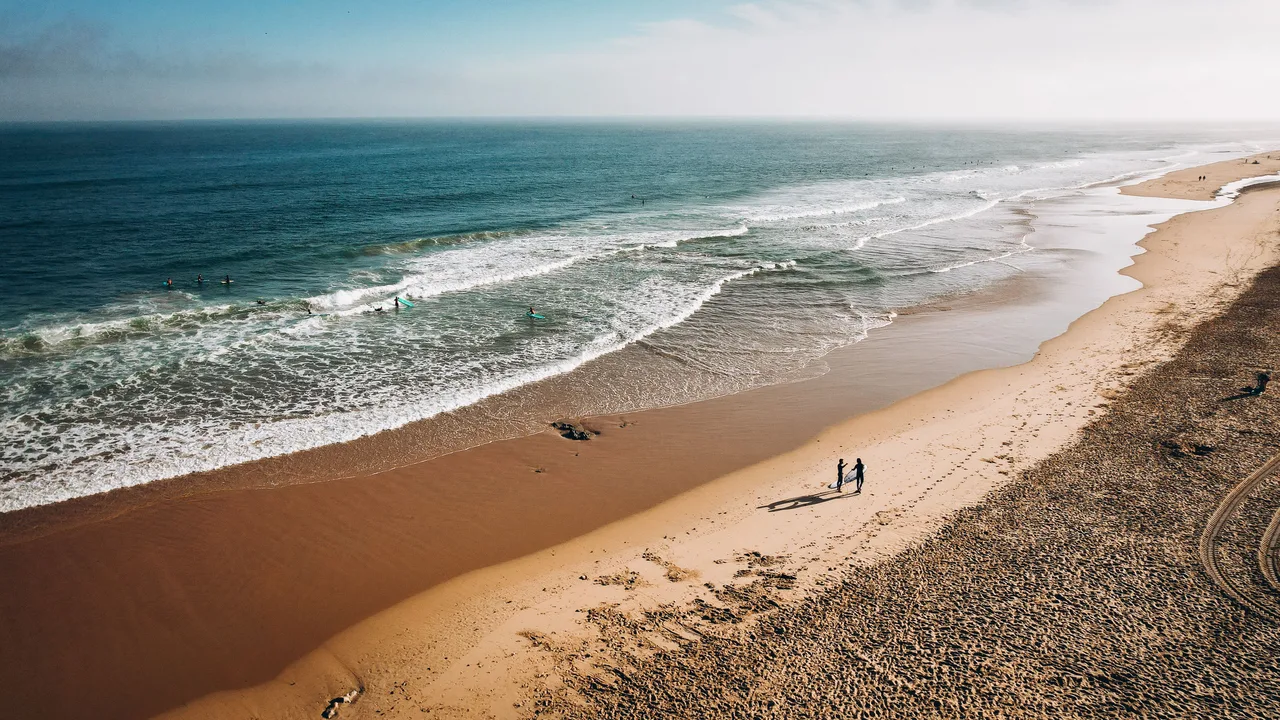
Carcavelos is the direct surf beach, 19 to 26 minutes on the train and a short walk from the station. The three-zone CP fare is about 2.10 one way. The beach runs long enough to spread out even on a Saturday, and the waves make it the local favorite for surf lessons.
Weekday mornings are the calm, family-friendly window, and the promenade has enough restaurants for lunch. Beach days change the feel of the things to do in Lisbon that take you out of town.
Cascais
Cascais is the resort town at the end of the line, about 40 minutes from Cais do Sodré. It offers town beaches, a seafront promenade, and the Boca do Inferno rock formation a short walk away. Cascais works best as a half-day escape that combines a beach with a walkable old town and lunch by the marina.
Bikes and board rentals line the promenade on warm afternoons. Pair the trip with the train ride itself, which is part of the coastal things to do in Lisbon.
Costa da Caparica
The Costa da Caparica lies across the 25 de Abril bridge, a 22-kilometer stretch of Atlantic sand fed by the small train that runs along the coast. It is a favorite with residents on summer weekends and quieter through the week. The crossing adds time, so save it for a full day when you want the longest beach run. It rounds out the beach-focused things to do in Lisbon nicely.
These beaches give the best things to do in Lisbon a clear summer angle, and they stay mild enough for early June and late September trips. Surf camps and lessons line the sand at Carcavelos if the plan includes an ocean session.
Sintra day trip: Pena Palace and Quinta da Regaleira
The Sintra day trip is the single largest reason to give Lisbon an extra day. The palaces sit outside the city, in a wooded mountain town about 40 to 50 minutes by train from Rossio. The return train ticket costs 5.00, and the CP 434 bus shuttles between the station and the monuments at 4.55 per single. For many people Sintra ends up as their favorite of the things to do in Lisbon.
Pena Palace is the main palace and the classic postcard image. The full Palace and Park ticket is 20, while the park-only pass is 12, so the full price earns the interior rooms and the surrounding gardens. Busy spring and summer weekends crowd the center, so aim for an early departure and the 09:00 train.

Quinta da Regaleira costs 20 and is the underrated palace of the trip, famous for its initiation well, grottoes, and gardens. The Moorish Castle ruins cost 12 and sit on the ridge above the town, while Monserrate at 12 offers a quieter romantic estate. The official Sintra parks page lists the combined tickets and the shuttle details.
The palace choices are where the day-trip things to do in Lisbon take the most thought, so compare the bundles before you board the train. Sintra eats the whole day easily, and the return to Rossio usually lands near dinner time.
Sintra day trips Compare Sintra tours
Klook bundles the Sintra palaces, the shuttle, and a guide into one booking, which removes the queue juggling at Pena Palace.
SEE TOURSHow much does it cost to get around Lisbon?
The metro and Carris buses and trams share one network, and the card choice decides your daily cost. The 24-hour Carris and metro pass at 7.25 also covers the Santa Justa lift, the funiculars, and the coastal trams on the day it is valid.
The first decision is the card itself. A Navegante physical card costs 0.50, then you load either single fares, Zapping credit, or a day pass. Zapping charges about 1.72 per tram or metro ride and is the cheapest way to pad a short trip.
Buying single tickets on the trams costs 3.30, which is the most expensive option. Sorting the card first makes budgeting the paid things to do in Lisbon much simpler.
Fares in this Lisbon guide, checked in 2026:
| Ride or pass | Price in 2026 |
|---|---|
| Metro or bus single | 1.90 |
| Zapping per journey | 1.72 |
| 24-hour Carris and metro pass | 7.25 |
| Tram 28 bought onboard | 3.30 |
| Santa Justa lift onboard | 6.20 |
| Funicular onboard | 4.30 |
| Navegante physical card | 0.50 |
The official fare page at the metro company site keeps the current prices, if you want to double-check before the trip. The metro single of 1.90 covers the airport run on the red line, which keeps the metro the cheapest way between the airport and the center. Getting around counts as a cheap thing to do in Lisbon itself, since the rides never exceed a few euros.
How long should you plan for your first Lisbon trip?
Plan three full days for the classic first route, and add a fourth when time allows. Day one covers Belém and Alfama, day two covers the downtown, the tram, and a miradouro, and day three holds the Sintra day trip. A fourth day splits between the Oceanário and a beach like Carcavelos. That many days lets the best sights breathe instead of rushing between them.
Lisbon in December or February is quieter and cooler, while summer brings the full schedules and the beach crowds. The mild shoulder seasons, April to June and September to October, sit at the sweet spot for both the monuments and the coast. Readers splitting a longer trip can compare Lisbon against other destinations in the best places to travel in December, best places to visit in February, and best places to visit in October guides. Seasonal thinking also stretches the cheaper options across the year.
When is the best season for your Lisbon trip?
July and August are the peak months, with long days and crowded beaches, while December and January are the quiet and cheapest months. The average high in July is about 82°F (28°C), and January sits around 57°F (14°C), so the range is gentle compared with most European capitals.
Spring and autumn give the best balance of the city’s offerings: full monument schedules, warm enough beach days, and fewer queues. Winter is genuinely pleasant for walking, and the miradouros stay calm at sunset. The rain falls mostly from November to February, though usually in short showers. Whatever the month, the indoor picks cover the rainy afternoons.
A practical 3-day things to do in Lisbon plan
Day one starts at Belém for the monastery and the tower, rides or walks back along the river, takes Tram 28 from Martim Moniz through Alfama, and closes with a miradouro sunset. Day two covers the downtown grid, the Santa Justa deck, LX Factory, and the Time Out Market beside the station. Day three belongs to Sintra. The schedule assumes half the stops happen outdoors, which matches the weather.
Keep an eSIM active so maps and booking confirmations work without roaming fees, which keeps the whole plan connected from the first landing. Compare Airalo eSIM plans before you land if your home carrier charges heavily for roaming. For airport arrivals, the transfer choice is covered in the airport transport guide. Staying loose on the evening plans lets the city decide, because the good ones are rarely far from where you stand.
Stay connected Set up an eSIM before you land
Airalo plans activate on arrival with no physical SIM, in case your home carrier charges heavy roaming on the trip.
GET AN eSIMThings to do in Lisbon price cheat sheet
The comparison below collects the main paid entrances so you can budget in one glance. Prices are the standard adult rates from 2026, and they change at the start of each year. The numbers here match the same rates quoted throughout the full guide above.
| Place | Adult price in 2026 |
|---|---|
| Belém Tower | 15 |
| Jerónimos Monastery cloister | 18 |
| Jerónimos church | free |
| Castelo de São Jorge | 17 |
| Oceanário adult, late afternoon | 25 |
| Oceanário adult, morning | 29 |
| Pena Palace and park | 20 |
| Quinta da Regaleira | 20 |
| Moorish Castle | 12 |
| Monserrate | 12 |
This short list works best when the prices fit the budget. The free miradouros, the Jerónimos church, LX Factory, and the Belém riverside carry an entire low-cost day, while the castle and the palaces earn their tickets with views that are hard to beat. Add a travel day at either end, and the three-day plan above matches the reality of the city.